Flocabulary
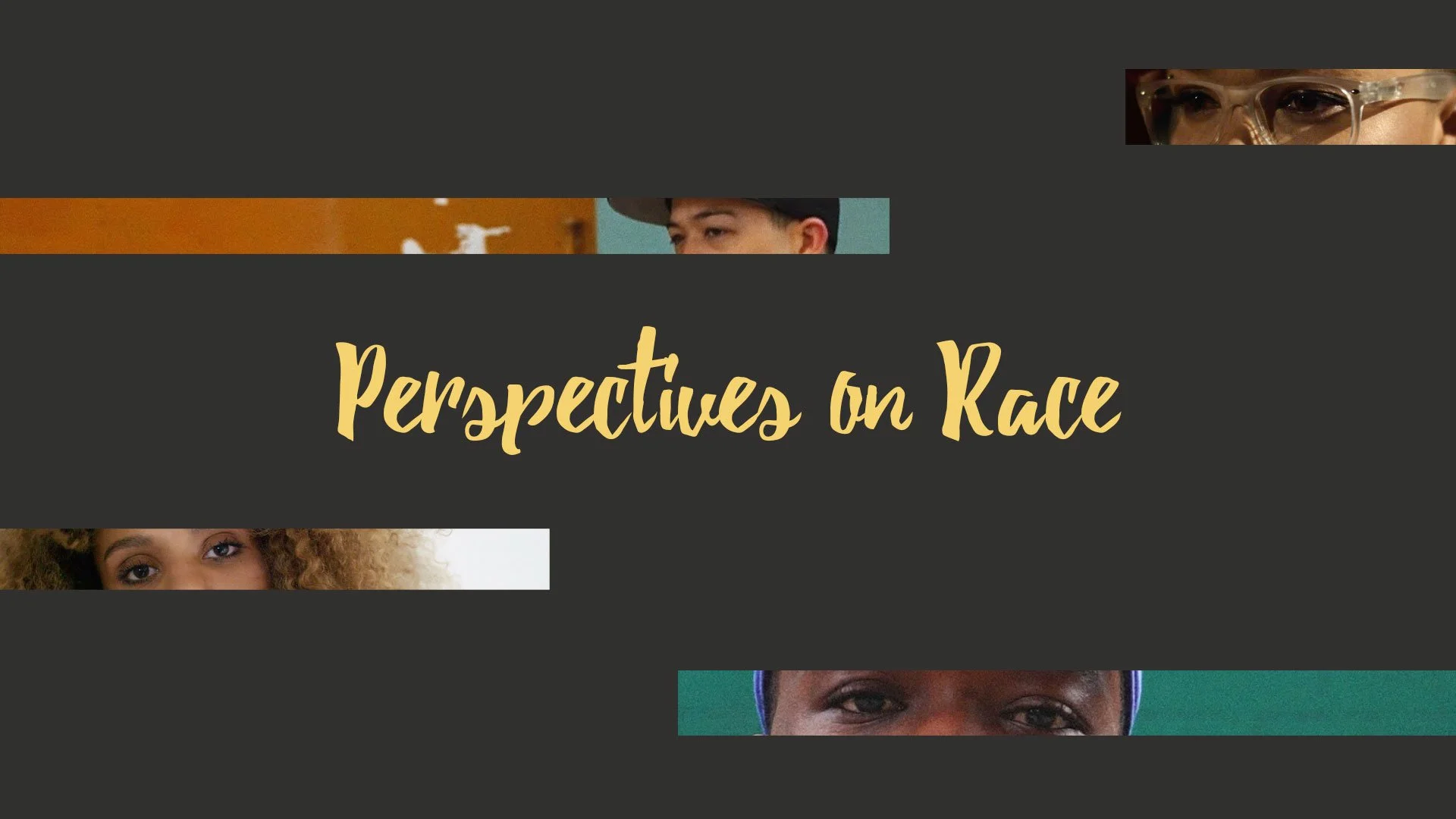
“Perspectives on Race” video & lesson
Opening space for honest conversations about race and identity in classrooms

Challenge
How can a short educational video help young people understand race in a way that’s truthful, nuanced, and actually useful to their lives?
Biologically, race isn’t real. It’s a loose grouping of physical traits shaped by geography and inheritance. But socially and culturally, race is very real. It shapes how we move through the world, how we’re treated, and how systems are built — sometimes in beautiful ways, often in deeply challenging ones.
The challenge was translating that complexity for students of different ages without oversimplifying it or talking down to them. How do you explain that race is both “made up” and profoundly consequential? How do you help students explore how race affects them personally, while also understanding its broader impact on society?
Solution
I started by listening. I spoke with teachers, young people, and my colleagues about what felt hardest to address in classrooms — and what they ultimately wanted students to walk away understanding. We landed on a few core truths: race is about lived experience; empathy matters; racism shapes systems; and those systems have real effects on real people. We also felt it was important not to sidestep the fact that “white” is a race, too.
Rather than trying to explain race to students, we decided to let people speak for themselves. Not as representatives of an entire group, but as individuals.
At the time, Flocabulary primarily produced animated videos. But this subject called for something more personal and immediate. I pushed for live action. I searched the US for young rappers and musicians and had intimate, often vulnerable conversations with them. Starting from cold outreach, I asked a big question: Would you write a personal verse about your experience with race and perform it on camera?
Results
The immediate result was a powerful, human video that I’m deeply proud of. But the impact extended beyond a single lesson.
This project became part of a broader body of work I led focused on social-emotional learning and diversity, equity, and inclusion. When the racial reckoning of 2020 arrived, the company didn’t have to scramble to respond or retrofit its values. We were already doing the work.
This was a clear example of values meeting opportunity — and of investing in thoughtful, honest storytelling.